
10 Survival Strategies That Make Living on Disability Possible
Published 2026-03-14 · 9,145 views · 13m 7s
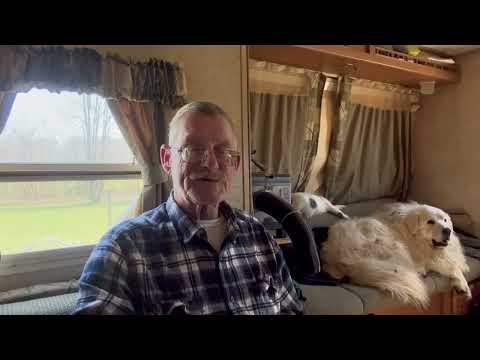 Watch on YouTube →
A creator living on $1,100 a month in disability income shares ten practical survival strategies that make fixed-income life more manageable.
Summary
The speaker shares ten strategies for surviving on a monthly disability income of approximately $1,100. The strategies include eliminating or reducing housing costs, living smaller, removing debt, controlling utilities, cooking simple foods, limiting travel, maintaining small emergency savings, relying on community, protecting mental health, and accepting changed life circumstances. The speaker describes living in a camper without paying rent as the key factor making their budget work.
Topic
Disability & Fixed Income · also covers: RV & Van Living, Tiny Homes, Cost of Living, Personal Stories
Tactics from this video
-
Eliminate or reduce housing costs if possible
Housing is the largest expense for fixed incomes and eliminating rent can make the rest of the budget workable
-
Live in smaller spaces such as campers, tiny houses, or shed conversions
Smaller living reduces maintenance, utilities, taxes, and stress
-
Remove all debt from your financial picture
Monthly payments like car payments, credit cards, and personal loans drain survival money
-
Control utility usage through solar panels, battery banks, wood stoves, diesel heaters, and limiting AC use
Small changes in electricity usage can save approximately $50 per month
-
Cook simple foods at home using a crockpot, and stretch meat across multiple meals
Restaurants destroy tight budgets, while simple home-cooked meals keep grocery bills predictable
-
Limit travel by batching errands together and grocery shopping once per week
Every trip to town costs money in gas, impulse purchases, and unexpected spending
-
Keep an emergency savings even if small, such as $50 per month
A small cushion can prevent disasters when vet bills, car repairs, or medical expenses arise
-
Look to your community for help during emergencies, tools, advice, and skills
Survival becomes easier when people share resources and knowledge
-
Protect your mental health by finding purpose through pets, hobbies, gardening, volunteering, or creative work
Living on disability can feel isolating, and feeling needed again improves quality of life
-
Accept reality and then build the best life possible on the changed path
Careers, health, and relationships change, but a meaningful life can still be constructed afterward
Figures cited
- $1,100 a month — the speaker's monthly disability budget
- $50 a month — potential monthly savings from small changes in electricity usage
- 200,000 miles — the mileage on most of the speaker's vehicles
Pain points addressed
My rent alone wipes out my entire disability check
I feel pressured to keep up with society's idea of success—bigger house, newer car
Debt payments leave me with nothing left for basic survival
Utility bills sneak up and destroy my thin budget margins
I can't afford to eat out and feel stuck making the same cheap meals
Every trip to town drains money I don't have through gas and impulse buys
I have no emergency cushion when my old car breaks down or my pet needs the vet
I live an isolated life with no one around to help when things go wrong
My health forced me out of work and now I feel useless and alone
The life I planned disappeared and I struggle to accept what I have now