
WHAT RESISTANCE REALLY LOOKS LIKE When Survival Is Illegal
Published 2025-12-23 · 11,563 views · 8m 38s
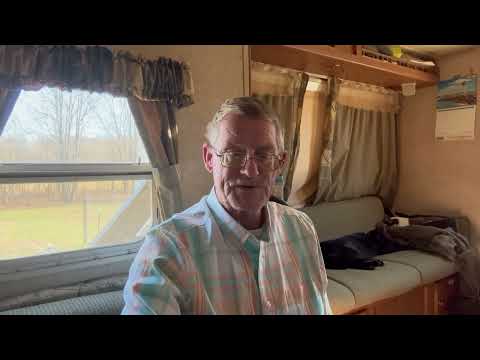 Watch on YouTube →
The speaker outlines quiet, non-confrontational resistance strategies for people facing the criminalization of poverty and vehicle dwelling.
Summary
The video argues that resistance to the criminalization of poverty and vehicle dwelling consists of non-confrontational acts such as documenting enforcement interactions, building informal community networks, rejecting shame, and maintaining dignity. The speaker claims that systems which profit from poverty depend on isolation, confusion, and self-blame, and that clarity and visibility undermine their effectiveness.
Topic
System & Policy · also covers: RV & Van Living, Housing Crisis
Tactics from this video
-
Record dates, times, locations, badge numbers, vehicle numbers, ordinance citations, and patterns of enforcement interactions.
Documentation protects the individual, exposes patterns, and builds collective memory that makes systemic abuse visible.
-
Build mutual awareness with others by watching out for each other, knowing who is vulnerable, and warning before enforcement arrives.
Community makes enforcement harder because enforcement relies on silence and separation.
-
Refuse to apologize for existing, maintain routines, care for yourself and others, speak plainly about your reality, and do not hide.
The system wants people to disappear emotionally before disappearing them physically; dignity resists that process.
-
Share information, help quietly, document abuse, stay visible, and refuse shame.
Small acts create friction that slowly jams the gears of large systems without triggering alarms.
Pain points addressed
I feel ashamed for living in my vehicle or needing help
I blame myself for falling behind financially
I am isolated and don't know who to trust
I am confused about my rights during enforcement encounters
I feel invisible and like society wants me to disappear