
Backup Heat for Winter: What Happens When the Power Goes Out
Published 2026-01-16 · 10,464 views · 14m 34s
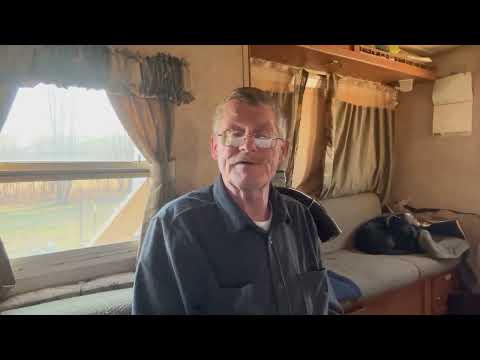 Watch on YouTube →
A homesteader explains why your gas furnace fails when the power goes out and shares three proven backup heating systems that work off-grid.
Summary
The speaker discusses backup heating methods for winter power outages, emphasizing that modern heating systems rely on electricity even when burning fossil fuels. He describes three categories of backup heat: wood stoves, liquid fuel heaters (diesel/kerosene/propane), and solar-powered low-draw electric assist systems. The speaker shares personal experience living in a 23-foot camper with a wood stove from Northwoods Fabrication and a diesel heater that consumes approximately one gallon per 24 hours of continuous use.
Topic
Off-Grid & Homesteading · also covers: RV & Van Living, Cost of Living, Personal Stories
Tactics from this video
-
Install a wood stove with safe chimney, dry wood supply, and proper storage
Wood heat operates independently of electrical grid and provides reliable BTU output
-
Use portable diesel heaters powered by 12V battery or solar battery bank
Diesel heaters run 24 hours on one gallon, providing days of heat without grid connection
-
Maintain kerosene or propane heaters as bridge solutions when wood stoves are impractical
These fuels store well and burn hot without weather dependency
-
Install two CO2 detectors for redundancy when using combustion heaters
Kerosene and propane heaters produce exhaust requiring monitoring
-
Stock fuel as tangible insurance: gas cans, diesel jugs, propane cylinders, firewood stacks
Physical fuel reserves require no approval and function when grid fails
-
Use solar and battery systems to power backup heater controls, not to generate heat directly
Small battery banks can run diesel heater electronics for extended periods
Figures cited
- 23 ft camper — size of speaker's living space
Pain points addressed
I worry my furnace will stop working when the power goes out and I won't have any heat
I'm afraid my pipes will freeze and burst while I'm asleep or away
I don't want to evacuate my home with my kids and pets in the middle of the night
I can't afford to stay in a hotel during a multi-day outage
I don't know which backup heating option is safe and practical for my situation
I live in a small space and need heating that actually works in tight quarters